

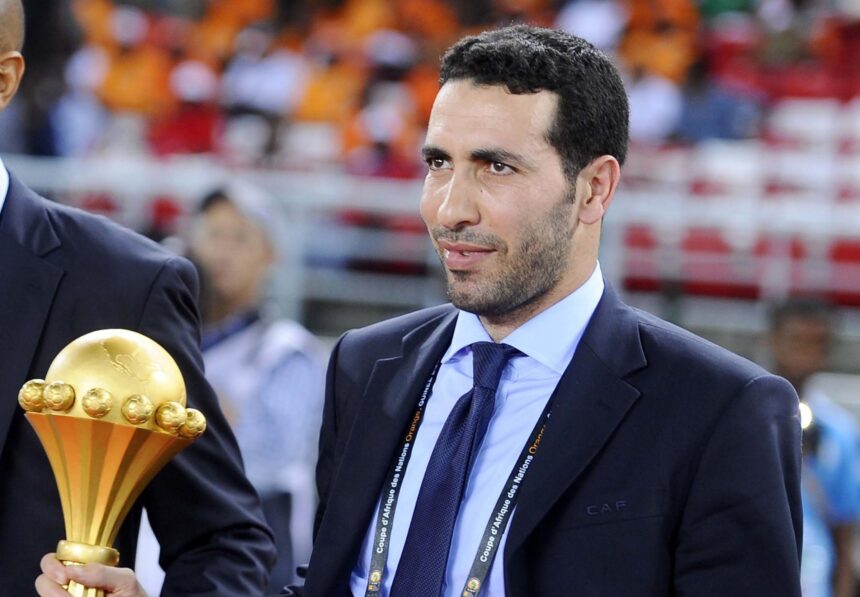
A prominent sports analyst and former Egyptian football star, Mohamed Aboutrika, cited strong reasons urging FIFA to reconsider its decisions, referring to the 2026 World Cup as potentially being recorded as the “most failed” in history.
Aboutrika attributes this anticipated decline to FIFA’s decision to increase the number of participating teams to 48, which raises serious concerns about the tournament’s technical level deterioration and losing its usual shine.
During a television appearance on a sports news channel and in an analytical studio ahead of the World Cup opening, Aboutrika revealed his deep concern about the decline in the World Cup’s value and prestige.
He believes that expanding the number of slots will simplify the qualification process at the expense of the quality and excitement that have always characterized previous editions, potentially turning the tournament into just a large gathering instead of the pinnacle of football competition.
Aboutrika did not stop there; he made a strict comparison between the 2022 Qatar World Cup, which he described as “the best in history,” and the upcoming 2026 edition. He confirmed that early indicators, including emerging organizational and logistical problems, warn of a dull, lackluster edition compared to the stringent global standards established by Qatar.
He also pointed out that the new change might benefit the current generation of players by facilitating their participation, but conversely, it strips the tournament of its heritage and historic prestige.
In a related context, the Egyptian star sharply criticized Belgian coach Hugo Broos, head coach of the South African national team, over his previous statements attacking the organization of the recent Africa Cup of Nations and criticizing the Kingdom of Morocco.
Aboutrika condemned what he called “double standards,” noting that Broos remained silent about the complicated preparations and organizational challenges facing the 2026 World Cup, while he previously attacked African organization and Morocco without objective justifications.