

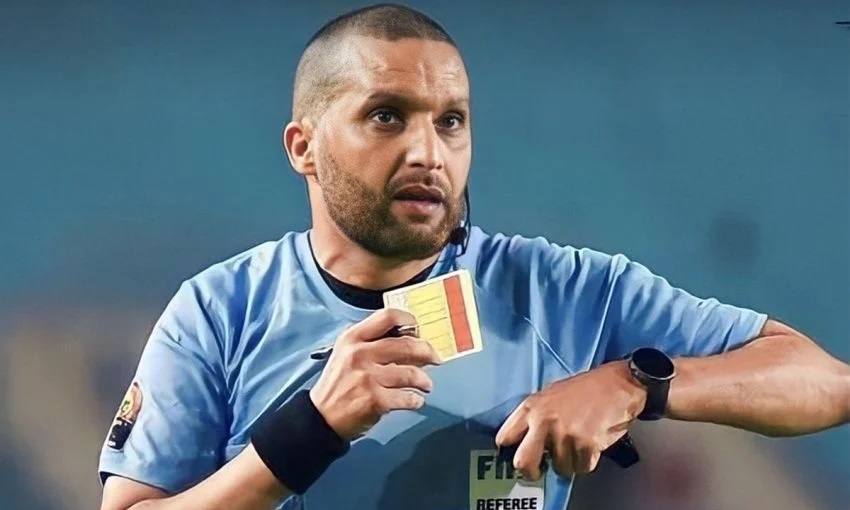
Week after week, refereeing errors recur, and with them, the level of controversy escalates, prompting football followers to ask legitimate questions about the integrity of the refereeing system. These scenes have become familiar for years without being resolved or having radical solutions provided to restore lost trust.
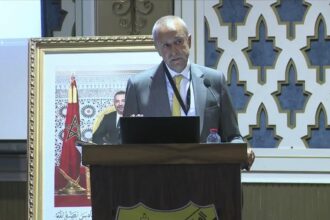
Even the appointment of Ismael Feth, which generated a degree of relative relief among some fans, did not last long. Furthermore, the retirement of international referee Bouchra Karboubi, who was considered one of the best on the continent, due to what was deemed repeated exclusion, further increased suspicions about what is happening behind the scenes.
One cannot overlook the series of suspensions affecting a number of referees without clear official statements and through methods described as unlawful. This has led a segment of public opinion to sympathize with the referees themselves, considering them victims of decisions made without any declared basis or sufficient transparency.
In our communication with a university official, the idea of enlisting foreign referees to officiate some sensitive matches was raised. The response was that this “represents a scandal for national sports.” This response raises more questions than it provides answers: Since when has seeking foreign expertise become a scandal? And why is this option viewed as an infringement on sporting sovereignty?
The irony is that Morocco utilizes foreign doctors, foreign engineers, and foreign coaches and technical staff in football, without this being seen as an affront to the national system. In fact, neighboring Arab countries, such as Egypt, Saudi Arabia, and several Gulf countries, have resorted to foreign referees at certain stages to contain controversy and develop the organizational and legal aspects of competitions.
The strength of refereeing is measured by international presence and external recognition, not by self-sufficiency. The absence of Moroccan referees from the most prominent global competitions in recent years also raises questions about the level of training and supervision.
The categorical and unjustified rejection of the idea of foreign referees opens the door to interpretations and puts the credibility of the refereeing body under scrutiny. Is it a fear of losing control, or are there other considerations that have not been explained to the public?
Football belongs to the fans, and fans demand genuine reform that restores confidence in the competition. Between the option of deep internal reform or relying on temporary external expertise, the question remains: Who benefits from the continuation of the current situation?