

The decision by the United States of America to suspend some tariffs on phosphate and phosphate fertilizer imports from Morocco affirms the strategic position that the Kingdom has come to occupy in the global food security system, being a country with one of the world’s most important natural resources through the OCP Group, the largest global player in the phosphate sector and its derivatives.
This exceptional decision comes in a special context, reflecting Morocco’s strong international presence and the significant role played by Moroccan diplomacy, led by His Majesty King Mohammed VI, in strengthening the Kingdom’s relations with its strategic partners, foremost among them the United States of America.
It also reflects the robustness of Moroccan-American relations, which have seen significant momentum over recent years and have continued to cement Morocco’s position as a trusted partner in matters of economy, food security, and regional stability.
The American decision, which received wide attention from international media, was not seen only from a commercial perspective but was considered a new indicator of Morocco’s geo-economic importance, especially amid the disruptions in global supply chains and the rising need for secure and stable fertilizer sources.
The United States found in Morocco a partner capable of ensuring vital supplies for American farmers at a time when phosphate has become a fundamental element in the global food security equation.
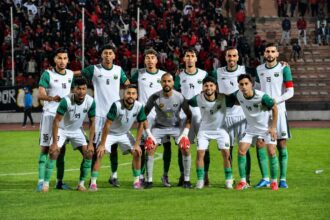
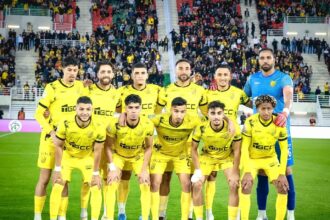
As much as the OCP Group stands out as a global economic power, it continues to play a major national role in social and sports fields, foremost among them football.
OCP’s support for Moroccan football is no longer just traditional sponsorship or symbolic presence but has transformed into a clear institutional project aimed at building a solid foundation for training, developing infrastructure, and supporting young talents within clubs and training centers.
In this context, the establishment of a national training fund, in partnership between the Royal Moroccan Football Federation, the OCP Group, and private sector partners, was an important step toward enhancing the quality of training within national football.
This project aims to qualify training centers, provide modern infrastructure, develop governance, and enable Moroccan talents to have a comprehensive professional path combining sports coaching, academic education, and technical support.
The group has also strengthened its sports presence through the OCP Sport Development project, which aims to develop high-level centers and academies, especially in cities historically linked to the group’s sites, such as Khouribga, Safi, and El Jadida.
This approach reflects a new vision for the role of major national institutions in serving sports, not only through funding but by creating a sustainable model for player training, club support, and expanding the sports base.
Moroccan football today has become part of the image of the new Morocco: a country investing in people, training, and institutions capable of producing success.
In this journey, the OCP Group plays a pivotal role as a national institution with a global reach, combining economic strength, social responsibility, and involvement in the Kingdom’s major projects.
From phosphate to football, from global food security to talent development, Morocco continues to assert its presence as a rising power that knows how to transform its strategic resources into developmental and sports projects that serve the nation and cement its international radiance.