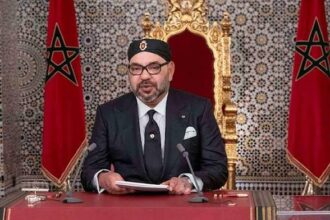


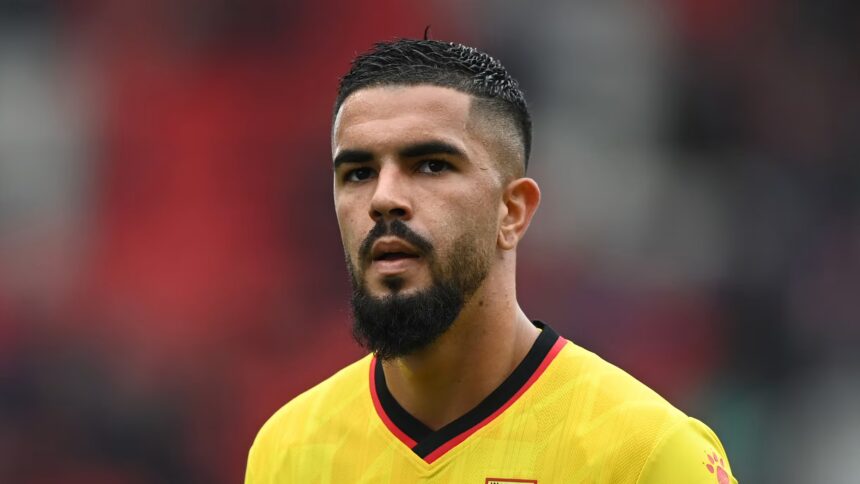
Many questions are raised about Imran Louza’s chances, the Watford player, of returning to the ranks of the Moroccan national team under the new coach Mohamed Wahbi, especially in light of the expected changes in the identity of the Atlas Lions in the upcoming phase.
Between the player’s abilities and the challenges he faces, his international future remains open to several possibilities.
Louza possesses wonderful qualities that make him a standout player in midfield, as he enjoys good vision of the game, the ability to make long and precise passes, in addition to his calmness in building attacks and his control over the pace of matches.
This type of player is important in any team, especially when it comes to organizing play and balancing between defense and attack.
However, modern football, especially at the level of major national teams, demands a faster rhythm, continuous pressing, and the ability to transition quickly — elements that may not be among Louza’s strongest points compared to some of his competitors in the national team, which places Louza’s inclusion in the Moroccan national team under a significant challenge.
On the other hand, coach Mohamed Wahbi is known for his desire to rely on a dynamic playing style, based on high pressing and quick transitions between defensive and offensive phases, with a preference for midfielders capable of performing multiple roles in a short time.
Here lies the real challenge for Louza, as he will be required to prove his ability to adapt to this rhythm and show physical and tactical readiness that allows him to integrate into this system.
And the factor of harmony within the team cannot be overlooked, as it has become clear that there is a core of players who have a great understanding among themselves, which gives them an additional advantage.
Louza’s chances of returning to the Moroccan national team remain, but they depend on his ability to develop and adapt to the requirements of the new phase.
If he succeeds in raising his physical pace and proves his ability to harmonize with coach Wahbi’s style, he could be an important card in midfield, especially in matches that require a player capable of controlling the rhythm of the game.
But if the same challenges persist, he may find himself out of calculations in light of strong competition. The future remains open for him, especially with the approaching major international event, the 2026 World Cup, which represents the ultimate goal for any player seeking to make his mark with the national team.